Strong, durable, natural, and locally available, concrete supports structures with a service life exceeding 100 years. Throughout that time, these structures maintain their quality and function and require minimal maintenance.
Concrete is resistant to extreme weather, fire, moisture, and mold, making it well suited for demanding environments. It is also energy-efficient, storing both heat and cold. At the same time, it is flexible and 100 percent recyclable. Over its lifetime, concrete absorbs carbon dioxide through carbonation.
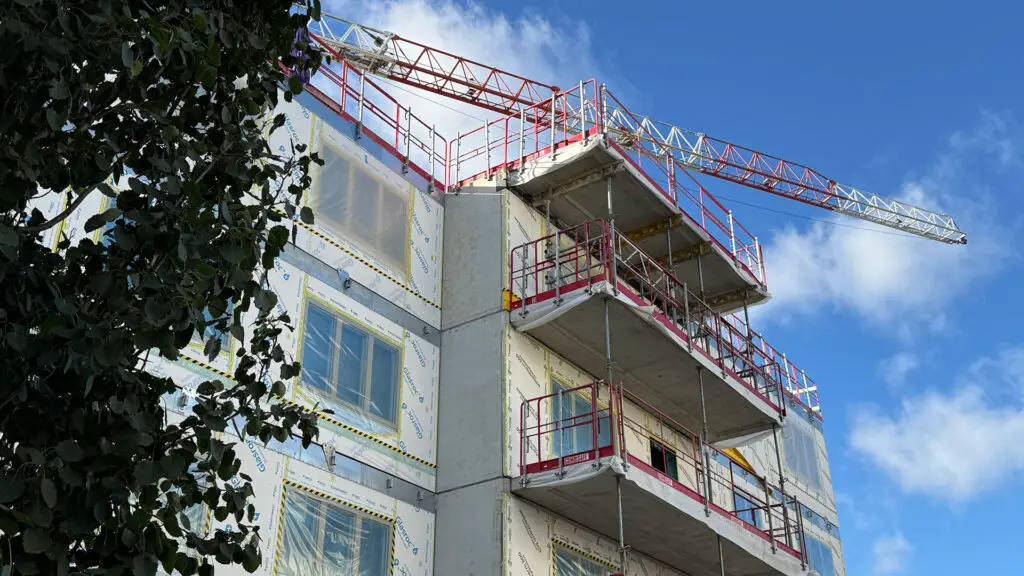
Homes, schools, hospitals, offices, roads, bridges, tunnels, water treatment plants, and power facilities, to mention a few, are built every day and will continue to be built. All rely on concrete. For many structures, it is the only material that can meet quality and durability requirements.
This is why concrete structures are essential for building robust, resilient, and sustainable societies. With proven performance and flexibility, concrete will remain an essential material for construction in the future.
Like all building materials, concrete has an environmental and climate impact. We are determined to minimize this impact while, at the same time, maximizing the benefits and contributions to building sustainable societies.