Natural pozzolans are materials that occur in nature, typically of volcanic origin or sedimentary rock, with an appropriate chemical and mineralogical composition to function as a pozzolan. The term itself has a long history and originates from Pozzuoli in Italy, where volcanic ash was used by the Romans in their concrete (opus caementicium).
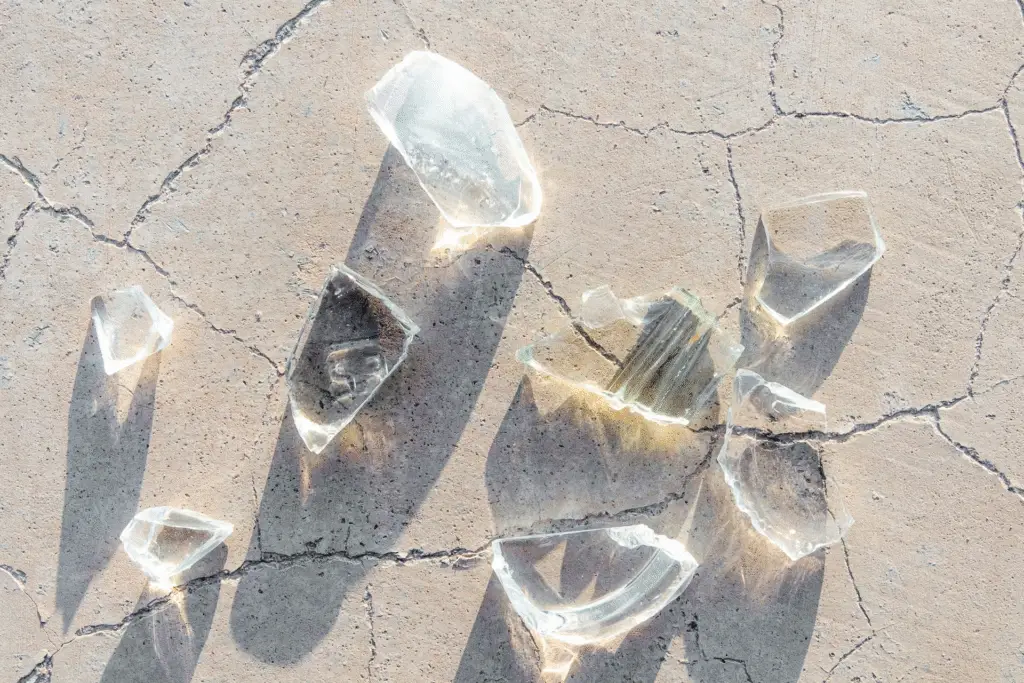
But what exactly is an “artificial pozzolan”? Simply put, it is a pozzolan produced through a controlled industrial process that mimics what occurs naturally during volcanic activity. This involves melting rock or ore and then rapidly cooling it (vitrification) to create a glassy (amorphous) material with pozzolanic properties. Examples of artificial pozzolans include silica-rich metallurgical slag, molten basalt, and recycled glass.
New standard for artificial pozzolans
The new Swedish standard, SS 137007-1:2026 Artificial pozzolans – silica-rich slag from metal production, was published in January. It defines the required chemical and physical properties, as well as how these materials should be evaluated when used as supplementary materials in concrete. Sweden is at the forefront in this area, as there is currently no equivalent European standard.
Collaboration with Boliden
Thomas Concrete Group has been evaluating alternative binders for several years. In close collaboration with Boliden, we are exploring the potential of by-products from copper production at the Rönnskär smelter in Skellefteå. The material exhibits pozzolanic properties and can partially replace cement in concrete.
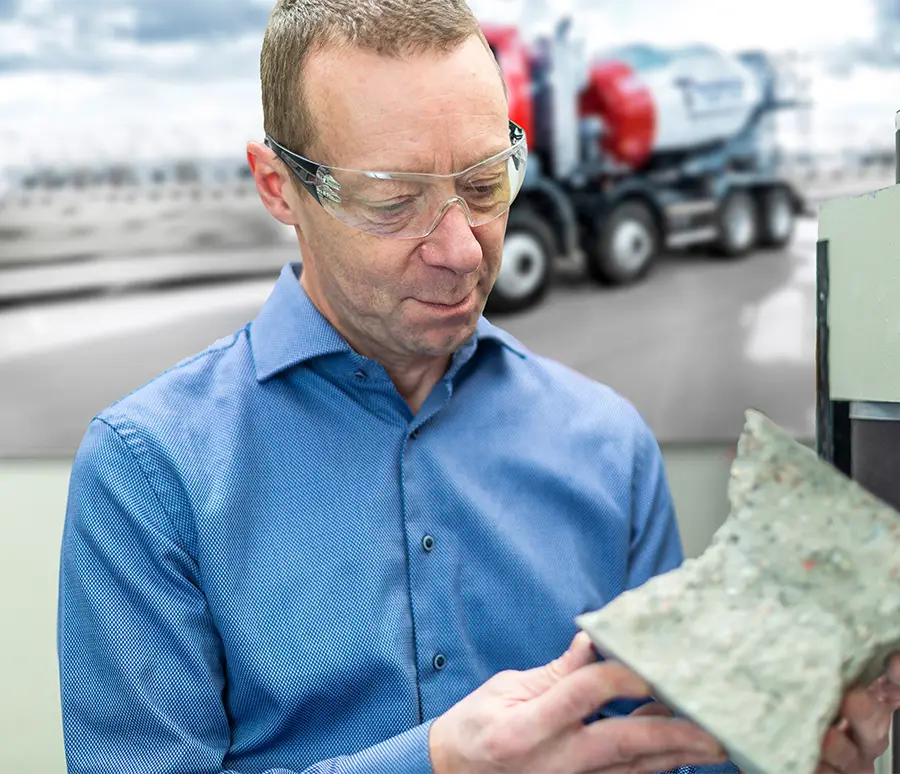
“Developing the standard has been challenging, as artificial pozzolans based on silica-rich slag can have a mineralogy that differs from more established pozzolans. In Boliden’s case, the material also contains higher levels of iron oxide, which has required extensive analysis and testing,” says Ingemar Löfgren, Head of R&D at Thomas Concrete Group.
Significant potential
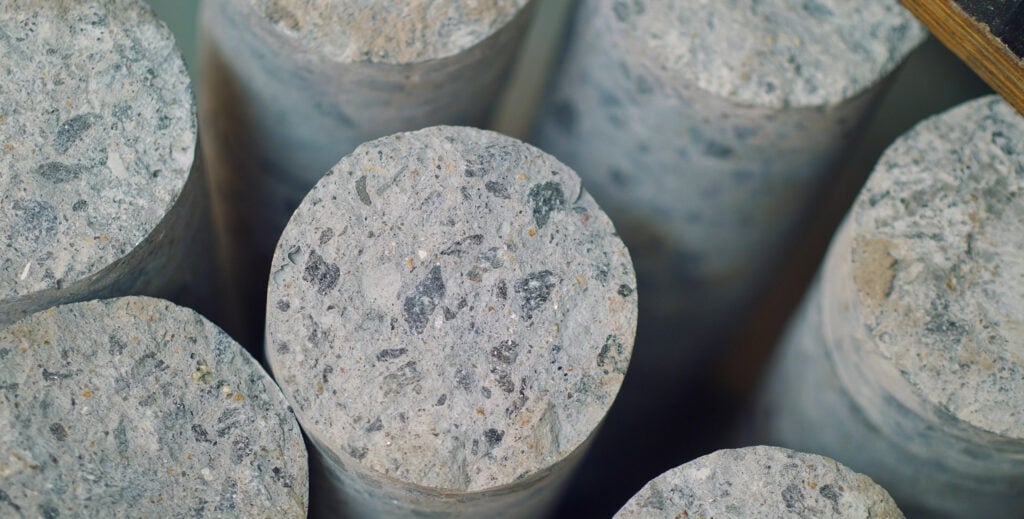
Testing to date shows promising results. Several studies indicate that up to approximately 30 percent of the cement can be replaced while maintaining performance, with the potential for even higher replacement levels. This represents a significant opportunity for the construction industry. By utilizing industrial by-products, the climate impact of concrete can be reduced while also creating new value chains for circular material flows.
Next steps toward commercial use
The next step is to further develop application guidelines within the Swedish standard SS 137003 (Concrete – Application of EN 206 in Sweden) (and continue testing at a larger scale. This work includes both laboratory studies and practical trials to verify the material’s performance in concrete.
If results continue to be positive, the technology could move closer to commercial use within the coming years, supporting broader adoption of lower-carbon concrete in future construction projects.